Compare NAD+ evidence with context
NADFaq is an evidence-led guide to Nicotinamide Adenine Dinucleotide (NAD+), NMN, NR, and related interventions. Explore mechanisms, compare precursors, review clinical trials, and assess delivery or brand claims with citations, methodology notes, and clear disclosure links.
- Research entries
- 25
- Precursors profiled
- 5
- Comparison matrix
- Live
Explore the evidence map
Start with a precursor, comparison, or study question.
Reference Directory
Structured pages on NAD+ precursors, mechanisms, delivery routes, and brand coverage, each tied to citations and related comparisons.
Access directoryComparison Matrix
Review human evidence, pharmacokinetics, delivery routes, regulatory status, and formulation tradeoffs side by side.
View matrixPrecursor Profiles
5 individually profiled NAD+ precursors with dosage ranges, half-life, delivery routes, and citation trails.
Browse precursorsRecent Research Additions
Citation-linked summaries of newly added studies on NAD+ biosynthesis, precursor pharmacokinetics, and aging-related outcomes.
Read researchWhat is NAD+?
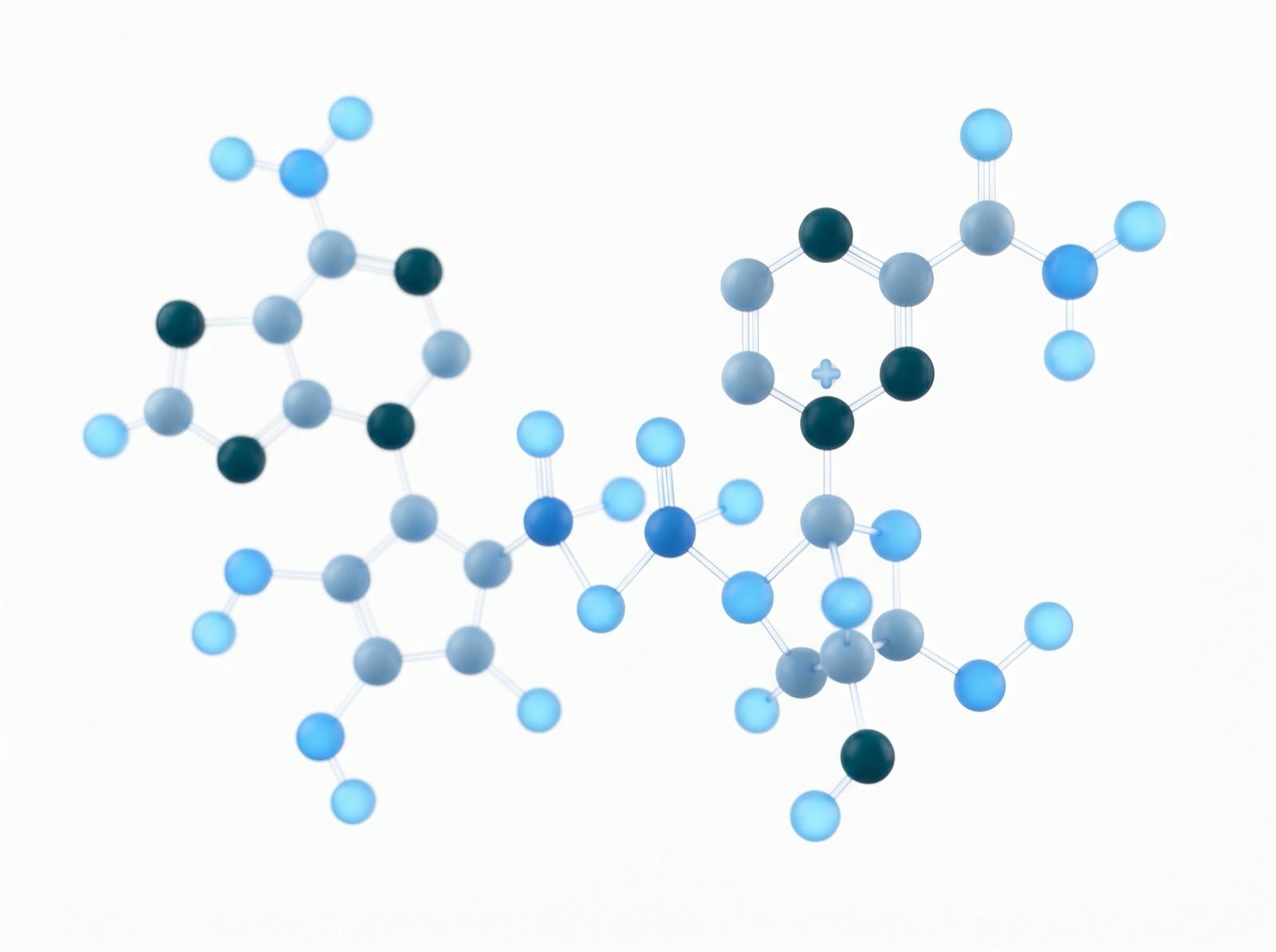
Nicotinamide adenine dinucleotide (NAD+) is a coenzyme present in every living cell. It shuttles electrons during energy metabolism, acts as the required substrate for three enzyme families central to aging — sirtuins, PARPs, and CD38 — and declines measurably with age across most human tissues. NAD+ cannot be supplemented directly with high oral bioavailability, so most interventions deliver precursors the body converts intracellularly.
For the full primer with citations and evidence grading, see our NAD+ primer.
Top questions
Answer-first responses to what you came here to ask.
Is NR or NMN better for raising NAD+?
Both reliably raise blood NAD+ at studied doses. NMN has a dedicated intestinal transporter (Slc12a8) and higher sublingual bioavailability, while NR has the longer human safety record and the most published placebo-controlled trials. Neither has been shown superior in head-to-head human data.
How does NAD+ decline with age?
Tissue NAD+ concentrations drop by roughly 50% between age 20 and 70 in measured human tissues. The decline is driven primarily by rising CD38 activity (an NAD+-hydrolyzing enzyme), reduced NAMPT expression, and increased PARP activation from accumulated DNA damage.
What is the optimal NMN or NR dosage?
Published human trials use 250-1,000 mg/day for both NMN and NR. The dose-response for NAD+ elevation plateaus around 500-600 mg/day in most studies — higher doses raise blood NAD+ further but with diminishing tissue-level returns. There is no established clinical dose for longevity outcomes.
Is long-term NAD+ supplementation safe?
Short-term (up to 12 weeks) NMN and NR supplementation at studied doses shows a favorable safety profile with no serious adverse events in published trials. Long-term (multi-year) human safety data does not yet exist. Known considerations include methyl donor depletion, potential sirtuin inhibition at very high nicotinamide doses, and unclear interactions with some chemotherapies.