Search the NAD+ knowledge base

Empirical data, peer-reviewed clinical trials, and objective comparisons of NAD+ precursors. Start with a search or jump to a top question.

What is NAD+?

Nicotinamide adenine dinucleotide (NAD+) is an essential coenzyme found in all living cells. It shuttles electrons in metabolic reactions (converting nutrients into cellular energy) and serves as the substrate for three enzyme families central to aging: sirtuins, PARPs, and CD38.

Read the full primer
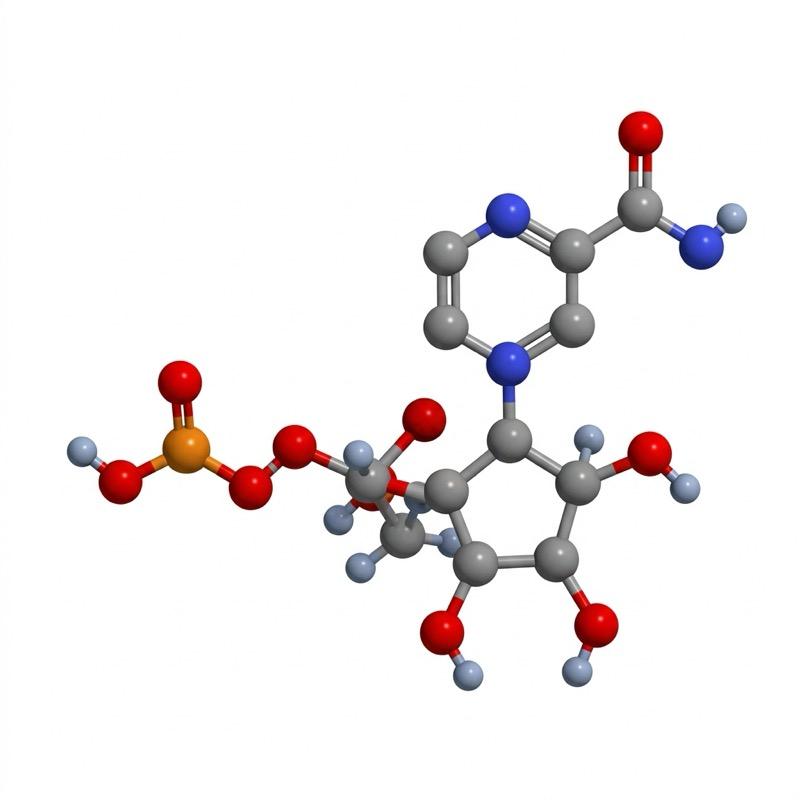
3D rendering of nicotinamide mononucleotide (NMN) molecular structure

Top questions

Glossary

Is NR or NMN better for raising NAD+?

Both reliably raise blood NAD+ at studied doses. NMN has a dedicated intestinal transporter (Slc12a8) and higher sublingual bioavailability, while NR has the longer human safety record and the most published placebo-controlled trials. Neither has been shown superior in head-to-head human data.

Read in-depth

How does NAD+ decline with age?

Tissue NAD+ concentrations drop by roughly 50% between age 20 and 70 in measured human tissues. The decline is driven primarily by rising CD38 activity (an NAD+-hydrolyzing enzyme), reduced NAMPT expression, and increased PARP activation from accumulated DNA damage.

Read in-depth

What is the optimal NMN or NR dosage?

Published human trials use 250-1,000 mg/day for both NMN and NR. The dose-response for NAD+ elevation plateaus around 500-600 mg/day in most studies — higher doses raise blood NAD+ further but with diminishing tissue-level returns. There is no established clinical dose for longevity outcomes.

Read in-depth

Is long-term NAD+ supplementation safe?

Short-term (up to 12 weeks) NMN and NR supplementation at studied doses shows a favorable safety profile with no serious adverse events in published trials. Long-term (multi-year) human safety data does not yet exist. Known considerations include methyl donor depletion, potential sirtuin inhibition at very high nicotinamide doses, and unclear interactions with some chemotherapies.

Read in-depth

What is NAD+ and why does it matter?

NAD+ (nicotinamide adenine dinucleotide) is a coenzyme found in every living cell. It shuttles electrons in metabolic reactions (the NAD+/NADH redox pair), and it fuels three critical enzyme families: sirtuins (deacylases governing longevity), PARPs (DNA damage sensors), and CD38 (immune signaling).

Read in-depth

Should NMN be taken sublingually or orally?

Sublingual NMN bypasses gut degradation and first-pass liver metabolism, producing faster and higher peak plasma concentrations than oral capsules in the available human pharmacokinetic data. For most users, sublingual routes deliver more NMN to tissues per milligram dosed — though oral remains cheaper and more convenient.

Read in-depth

Is IV NAD+ worth it?

IV NAD+ rapidly raises plasma NAD+ to supraphysiological levels, but the available research shows most of this is cleared or degraded before reaching intracellular compartments. Clinics report subjective benefits for fatigue and recovery; controlled efficacy trials are sparse. Cost ($300-800 per session) is significantly higher than oral precursor protocols.

Read in-depth

Do NAD+ precursors interact with medications?

The most relevant interactions are with chemotherapy (some tumors rely on salvage-pathway NAD+; supplementation could be counterproductive under active oncology treatment), methyl donor-dependent protocols (SAMe, TMG), and statins. Clinically-supervised use is recommended for anyone on prescription medications.

Read in-depth