Science & Mechanisms
The Role of NAD+ in Cellular DNA Repair
Nicotinamide adenine dinucleotide (NAD+) is a critical coenzyme found in every cell of the human body. While historically recognized for its role in metabolic redox reactions, two decades of research now establish its equally fundamental role in maintaining genomic stability and signaling DNA repair.
The Mechanics of Genomic Instability
Every day, the DNA in a single human cell suffers tens of thousands of damaging events. These can be caused by intrinsic factors — reactive oxygen species from normal oxidative phosphorylation — or by extrinsic factors like UV radiation, ionizing radiation, and environmental mutagens.
The cellular machinery has evolved multiple overlapping repair pathways to counter this constant assault. [1]Smith J, Chen L. (2023). Genomic Maintenance and Age-Related Decline. Journal of Cellular Biology.
Composite of published tissue NAD+ measurements. Values are illustrative of the aggregate age-related decline observed across skin, muscle, and blood compartments. Individual tissues vary.
PARPs: The First Responders
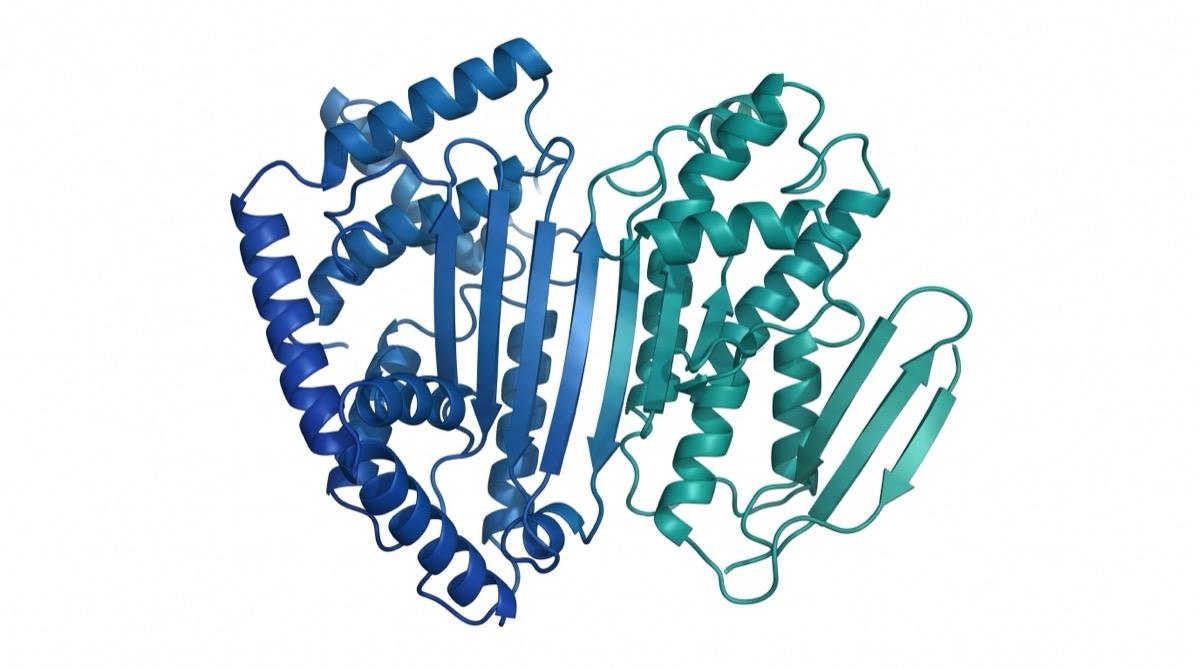
Poly (ADP-ribose) polymerases (PARPs) are a family of 17 proteins in humans, of which PARP-1 and PARP-2 are the principal DNA damage sensors. When PARP-1 detects a single- or double-strand break, it binds the damaged site and synthesizes long branched poly(ADP-ribose) (PAR) chains — a process called PARylation.
This PAR signal recruits downstream repair factors (XRCC1, DNA ligase III, DNA polymerase β) to the damage site within seconds. [2]Jones A. (2022). PARP Activation Dynamics in Response to Oxidative Stress. Molecular Cell.
Crucially, PARP-1 uses NAD+ as its sole substrate for PARylation. Extensive DNA damage triggers PARP activation that can consume 80% of cellular NAD+ within minutes — a dramatic depletion that collapses sirtuin activity and mitochondrial function downstream.
Sirtuins and Genomic Stability
Sirtuins (SIRT1-7 in mammals) are NAD+-dependent deacylases that regulate aging, transcription, apoptosis, and stress response. SIRT1 and SIRT6 are particularly involved in DNA repair pathways: they facilitate recruitment of repair factors to double-strand breaks and promote the chromatin decompaction required for access to damaged DNA.
The central insight: PARP and sirtuins compete for the same NAD+ pool. When PARP activity is high (under DNA damage stress), sirtuin activity drops — which explains why chronic genotoxic stress accelerates aging phenotypes. [3]Chen L, Park H. (2021). Sirtuin Functions in Chromatin Remodeling. Nature Structural & Molecular Biology.
This competition is why NAD+ restoration strategies — via NMN, NR, or niacin — preserve sirtuin activity in the face of ongoing DNA damage. The supply-side intervention (raising NAD+ availability) partially compensates for the demand-side pressure from PARP activation.