Blog
Research commentary, precursor updates, and comparison notes. Every post is sourced, reviewed, and connected to NADFaq's methodology, disclosure, and medical-disclaimer standards.
What this blog covers. The NADFaq blog tracks new evidence and comparison questions around nicotinamide adenine dinucleotide. Posts summarize peer-reviewed human trials, pharmacokinetic studies, mechanistic research, and notable brand or regulatory developments across NR, NMN, niacin, nicotinamide, and IV NAD+. Each piece is scoped to a specific question and cites PMIDs or DOIs inline so claims can be checked at the source.
How to read it. The blog is designed to clarify evidence and disclosure context, not to replace clinical advice or flatten complex questions into a one-line “best option.” Current commercial practice is disclosed at /conflict-of-interest. When evidence is thin — sublingual pharmacokinetics, long-term safety, oncology interactions — we say so. When claims outrun published data, we separate verified findings, editorial interpretation, and open questions.
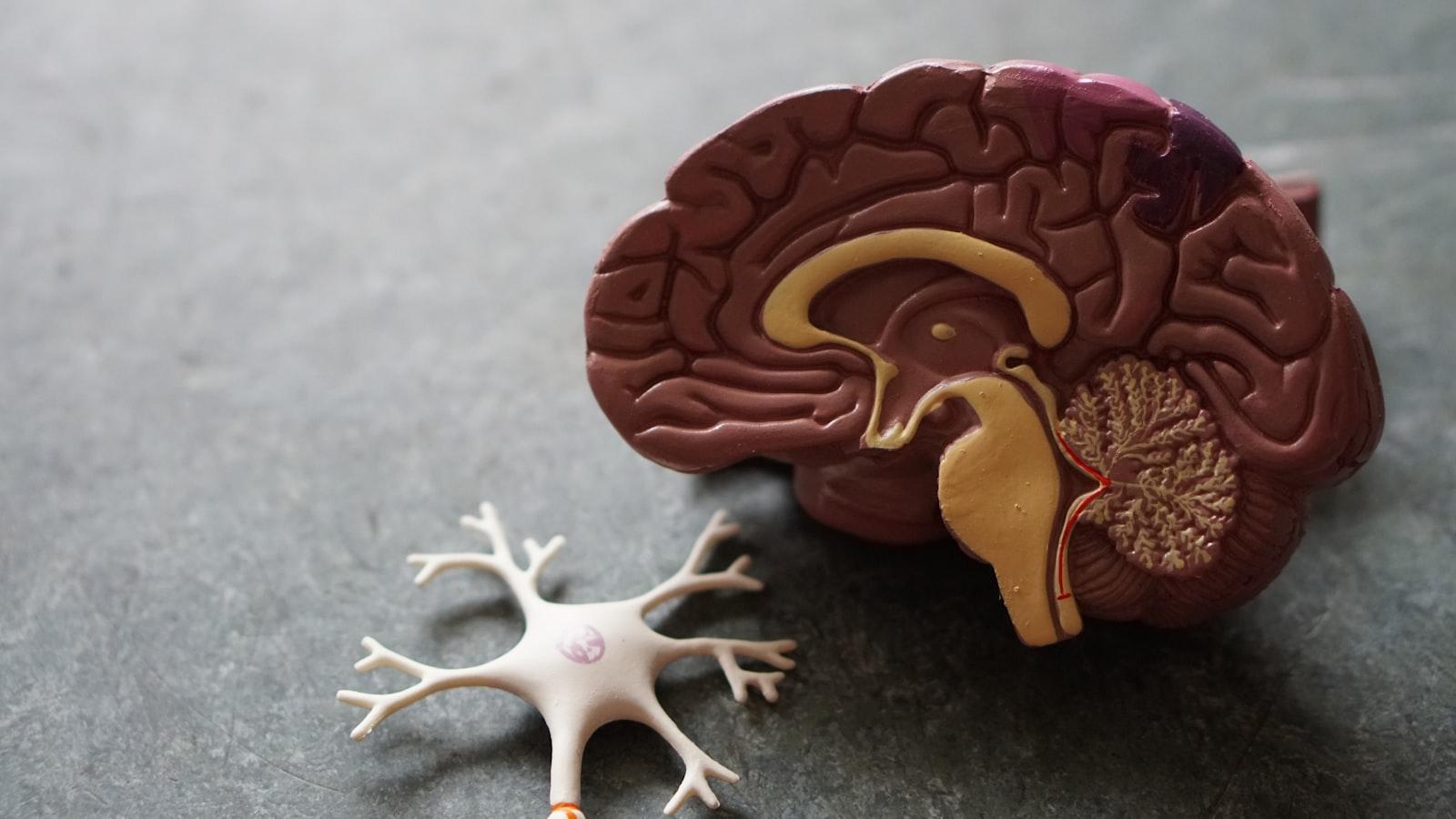
NAD+ and Alzheimer's Disease: What 2024-2026 Clinical Research Actually Shows
Mouse models suggest NAD+ precursors rescue Alzheimer's pathology. Human trials say less. A 2026 clinical review of NR, NMN, IV NAD+ in AD.
NAD+ and PARP1: How DNA Damage Repair Drains the NAD+ Pool (and the DBC1 Brake on Aging)
NAD+, PARP1, and DNA repair: PARP1 spends one NAD+ per ADP-ribose unit, dropping NAD+ 50-70% under heavy damage. How DBC1 brakes PARP1 as NAD+ falls with age.

NAD+ vs NADH: The Redox Pair, the Ratio, and Why It Matters for Aging
NAD+ is the oxidized form, NADH is the reduced form. Their ratio — not absolute levels — drives sirtuin signaling, mitochondrial output, and aging biology.
Sirtuins and NAD+: How SIRT1-SIRT7 Translate NAD+ Levels Into Longevity Signaling
Sirtuins are the NAD+-consuming deacylases that link metabolic state to lifespan. SIRT1, SIRT3, and SIRT6 dominate the longevity literature — here is what the evidence actually shows.

Nicotinamide Riboside in Heart Failure: What the LVAD, HFrEF, and Atrial Fibrillation Trials Show
Inside the NR-LVAD pilot, the NR-HF safety trial (NAD+ +30 µM), the HF-AF ENERGY protocol, and the mechanism work tying PARP/CD38 to cardiomyopathy. Cited.
Is NMN Legal Again? The 2025 FDA Reversal and What It Means for the NDI Pathway
FDA's 2022 NMN drug-preclusion ruling, the NPA lawsuit, and what the most recent regulatory developments mean for whether NMN can be sold as a US dietary supplement.
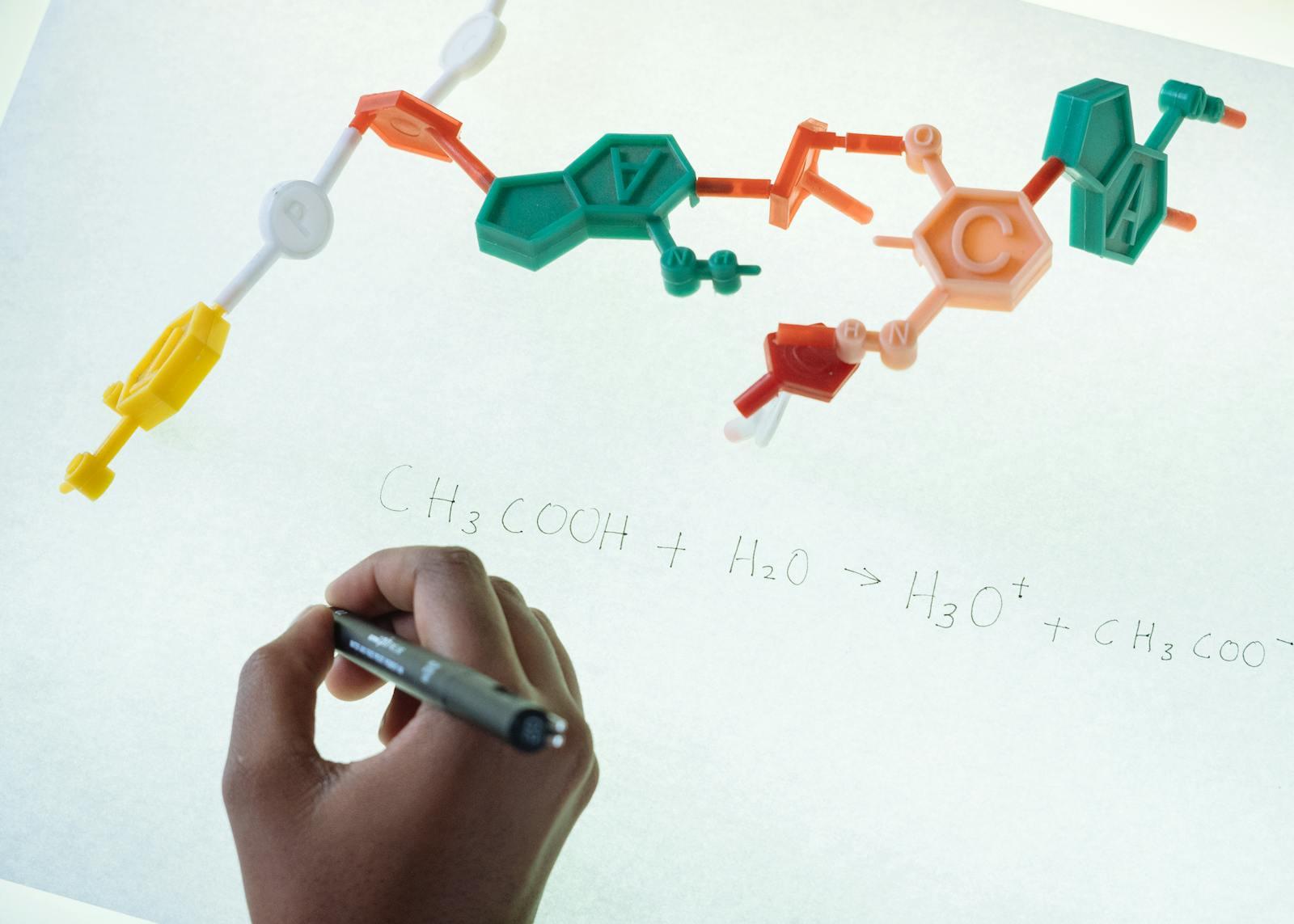
NAD+ and Parkinson's Disease: What NADPARK, NR-SAFE, and N-DOSE Trials Actually Found
Three Phase 1-2 trials tested NR in Parkinson's disease. NADPARK raised brain NAD+ measurably, motor benefit was modest, and Phase 3 evidence does not yet exist.
Nicotinamide (NAM) vs NR vs NMN: The Forgotten Third Precursor and Its Homocysteine Problem
A neutral comparison of nicotinamide vs NR vs NMN — pharmacokinetics, methylation burden, homocysteine signals, cost per mmol, and human trial evidence.
NAMPT: The Rate-Limiting Enzyme Behind NAD+ Decline (And Why It Matters More Than Precursors)
NAMPT — not precursor supply — sets the ceiling on NAD+ biosynthesis. Why nicotinamide phosphoribosyltransferase declines with age, and what activators show in human and animal trials.
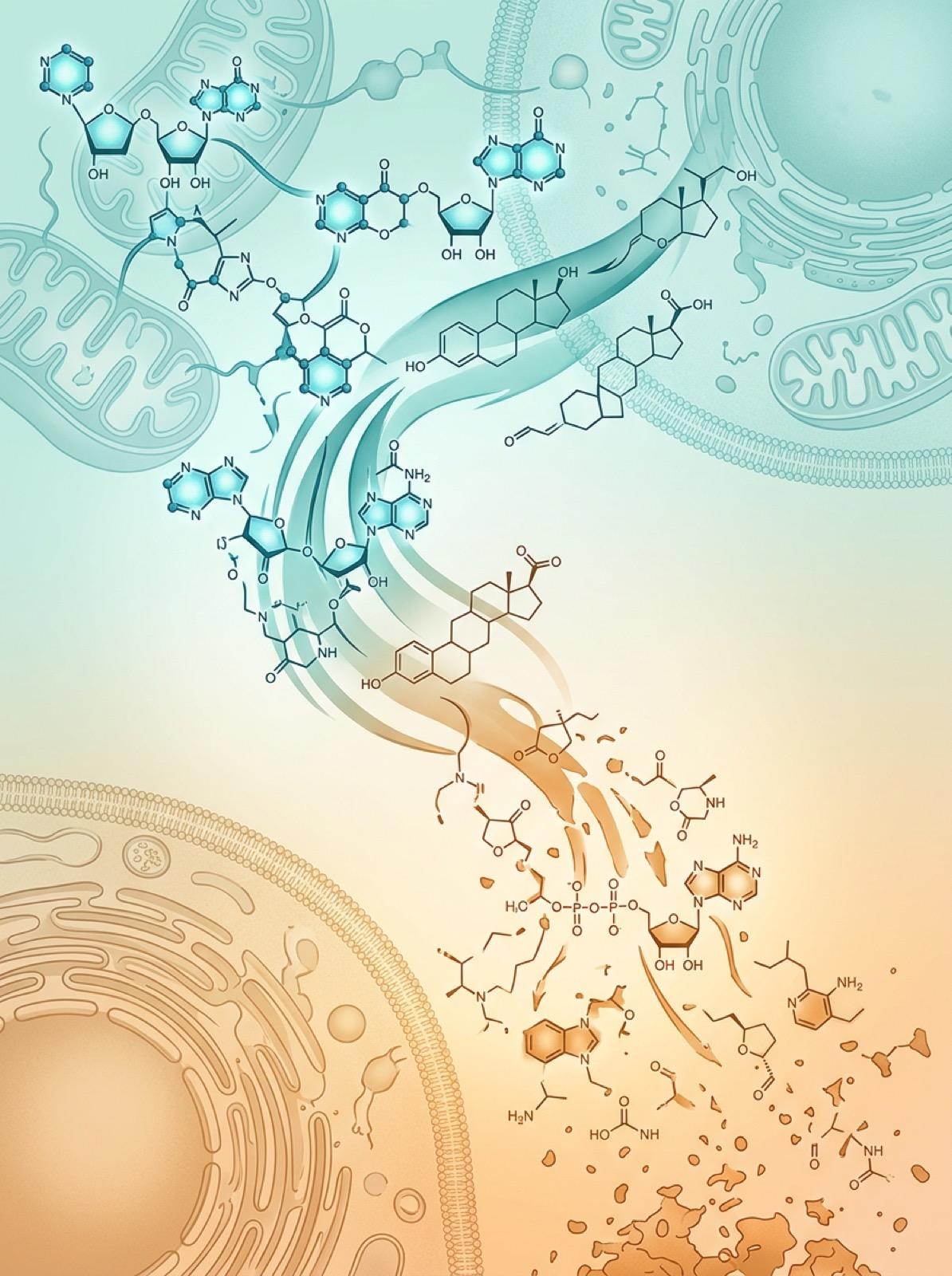
NAD+ and Menopause: Why Female Hormonal Aging Accelerates NAD+ Decline
Estrogen regulates NAMPT and SIRT1, the central enzymes of NAD+ biosynthesis. When estrogen falls during perimenopause and menopause, NAD+ decline accelerates — here's the mechanistic and clinical evidence.
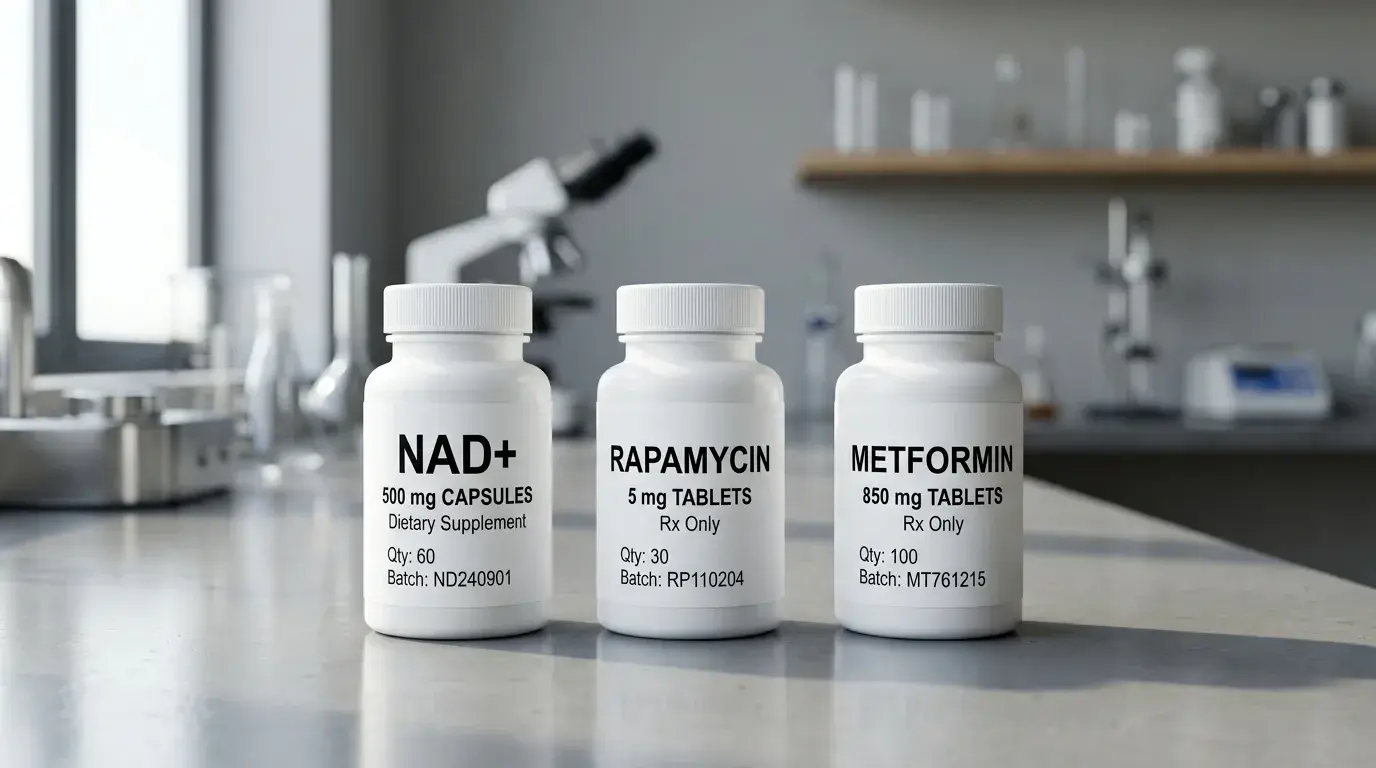
NAD+ vs Rapamycin vs Metformin: Three Longevity Interventions in Human Trials
A neutral comparison of NAD+, rapamycin, and metformin: mechanism, human trial evidence, dosing, safety, and FDA status. None is approved for longevity.
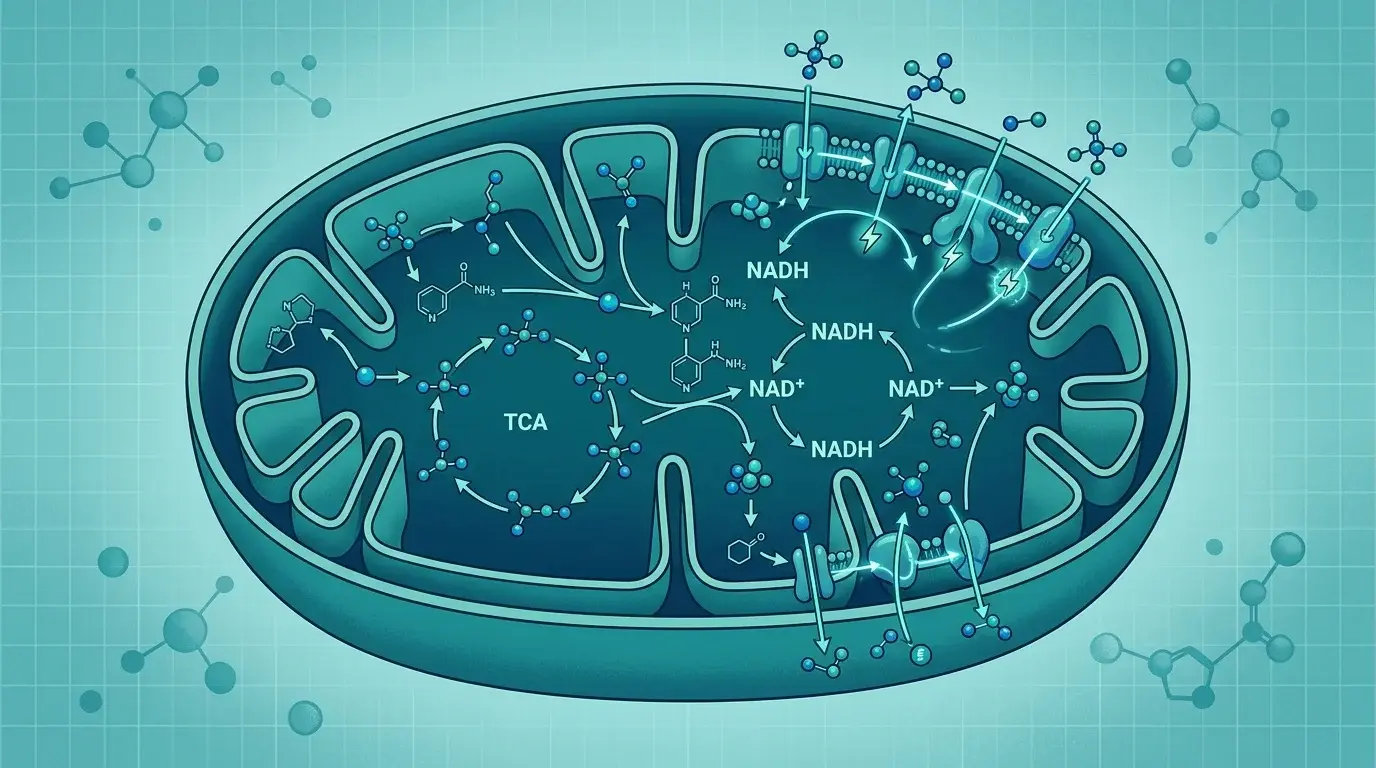
NAD+ in Long COVID and Post-Viral Fatigue: What Clinical Evidence Shows
Long COVID depletes NAD+ through CD38 activation, mitochondrial dysfunction, and chronic PARP demand. Here is what the clinical and mechanistic evidence shows as of 2026.

Exercise vs NAD+ Precursors: How Training Raises NAD+
Aerobic and resistance training raise cellular NAD+ via NAMPT upregulation and mitochondrial biogenesis. Here is what human exercise trial data shows.
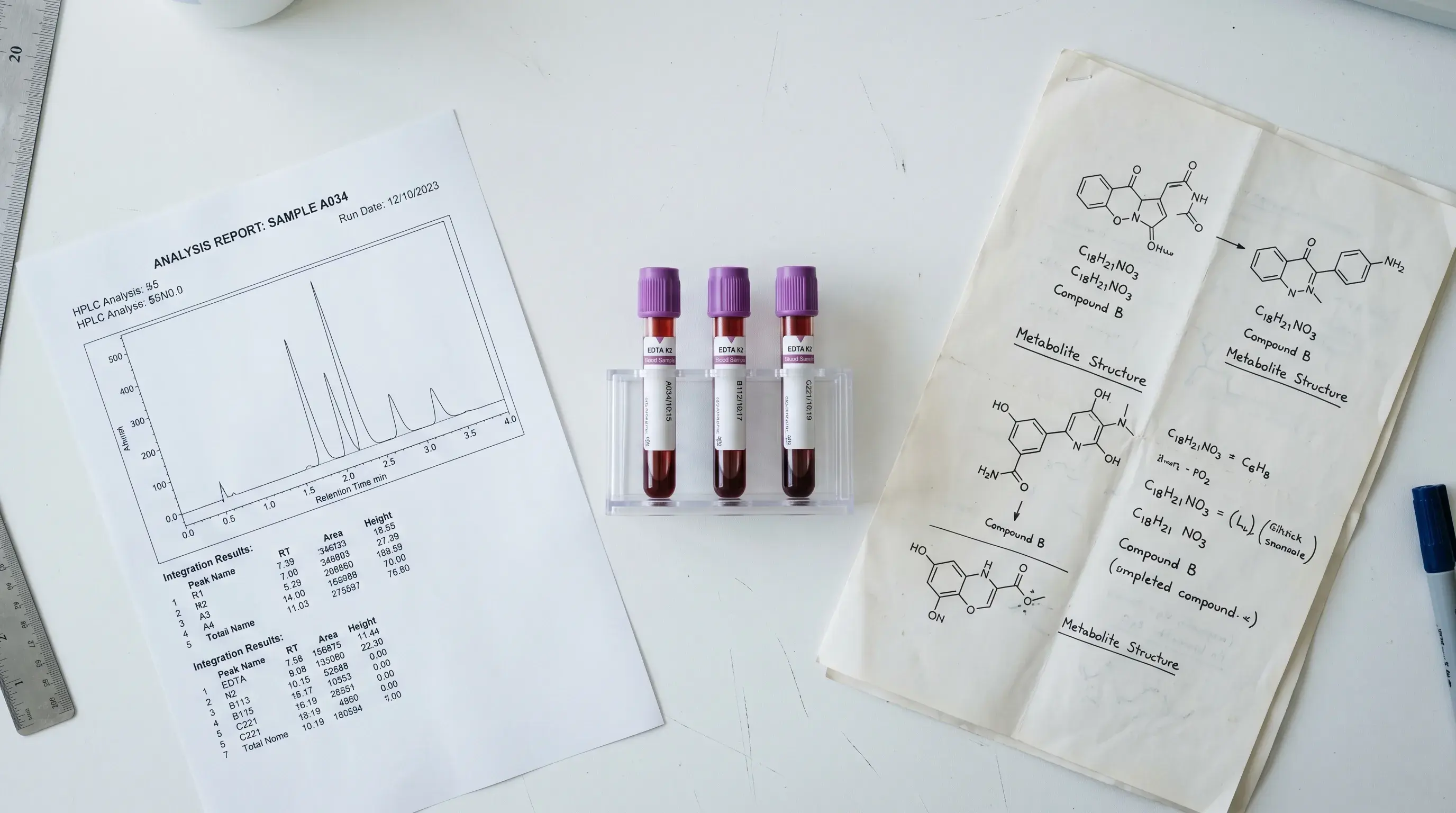
How to Measure NAD+ Levels: Blood Tests, Biomarkers, and What Labs Actually Detect
NAD+ testing options reviewed: whole blood vs PBMC vs urinary metabolites, LC-MS vs cycling assays, accuracy of home tests, and what a normal NAD+ level even means.
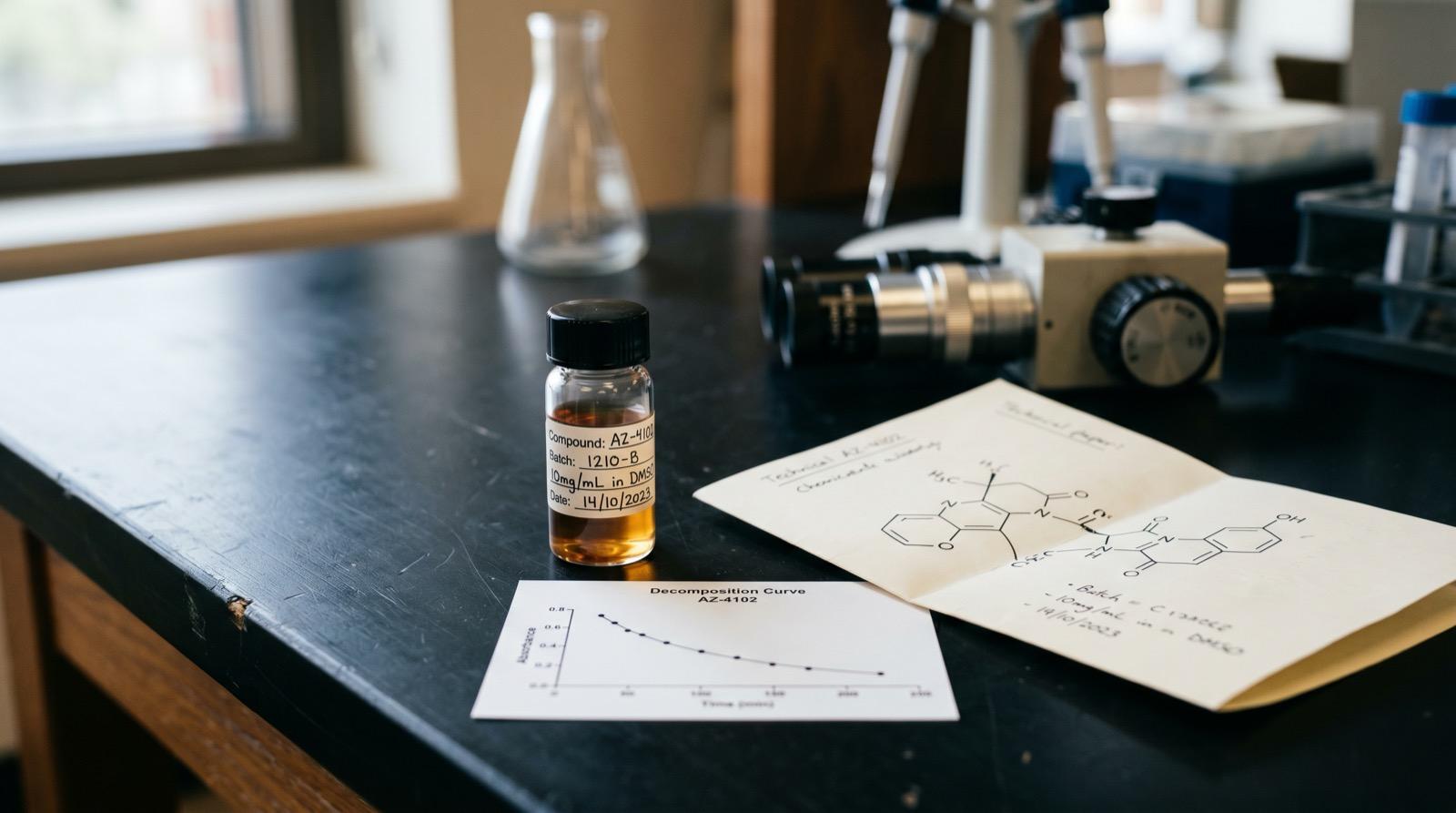
CD38 Inhibitors: The NAD+ Longevity Target That Isn't a Supplement
CD38 is the enzyme that drains NAD+ with age. CD38 inhibitors (78c, apigenin, MK-0159) target the leak — not the supply. Here's where the research stands in 2026.
NMN Dosage: What the Clinical Trials Actually Used (100mg vs 250mg vs 600mg vs 900mg)
Every published human NMN trial reviewed — doses from 100 mg to 900 mg, sample sizes, durations, NAD+ responses, and what the dose-response curve actually shows.
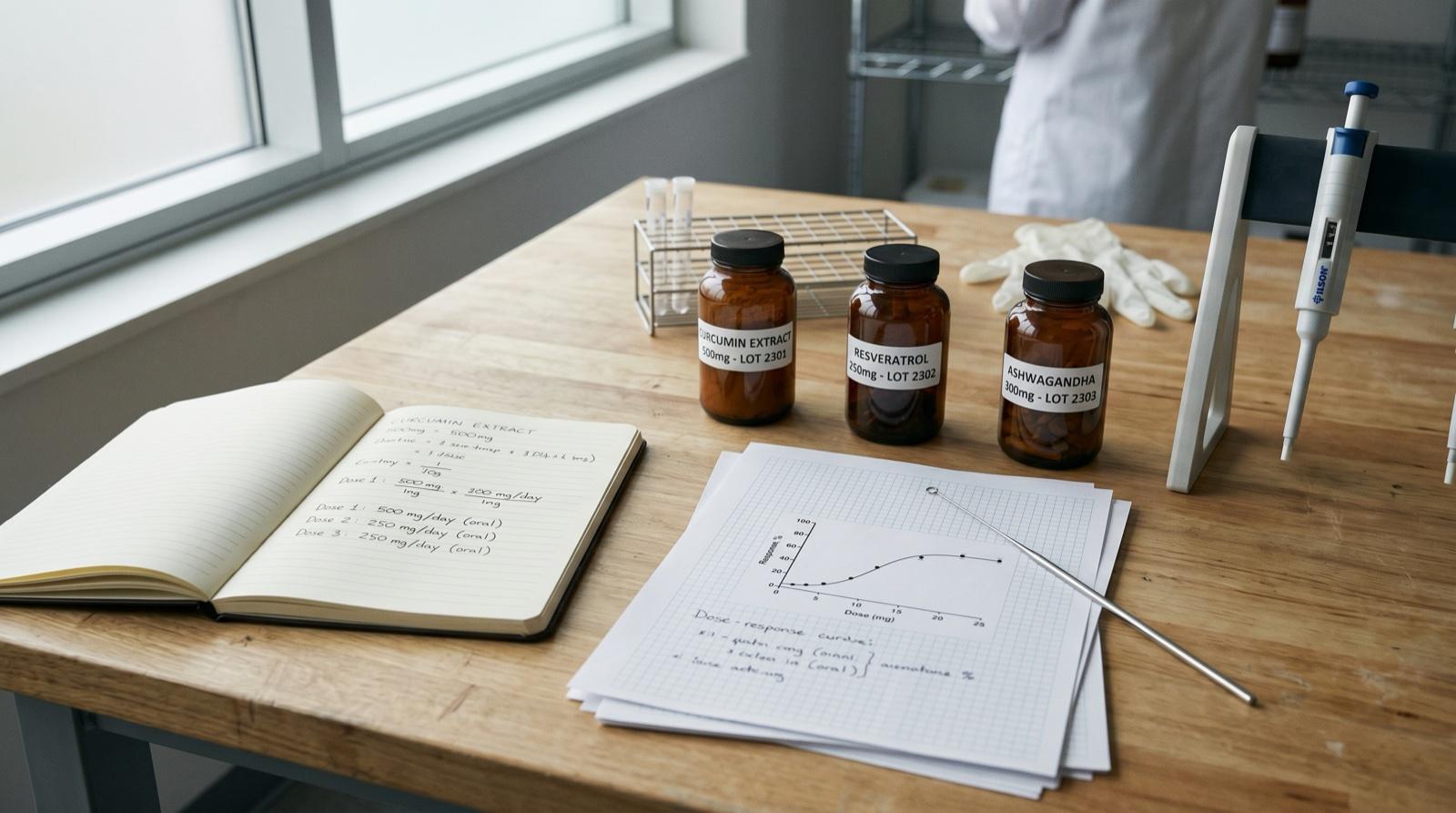
NAD+ Precursor Dosing in Human Trials: What the Evidence Shows
Published NAD+ precursor trials used NR at 100-2000 mg/day, NMN at 250-1200 mg/day, and niacin at 50-2000 mg/day. Here's what the human data actually shows.
NAD+ Precursor Drug Interactions: What Research Shows
Niacin-statin rhabdomyolysis risk is documented; NR/NMN concerns with chemo, anticoagulants, and methyl donors remain theoretical. Ask your clinician first.
IV NAD+ Therapy: What the Evidence Shows
IV NAD+ plasma half-life runs 5-15 minutes, most hydrolyzed before tissue uptake. Sessions cost $300-800. Published clinical evidence remains thin.
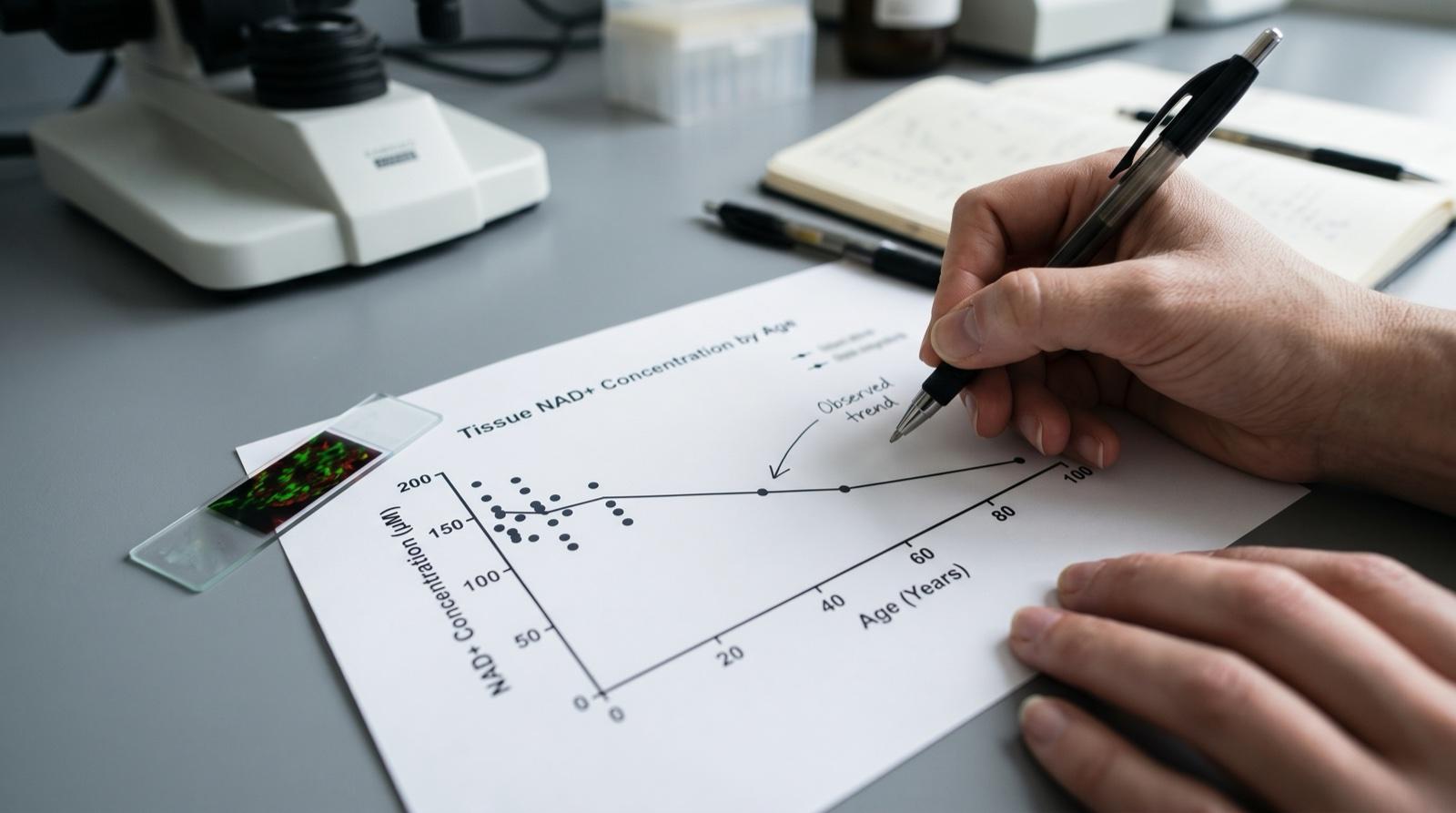
How NAD+ Declines with Age: The Mechanistic Picture
Tissue NAD+ falls roughly 50% between age 20 and 70. CD38 upregulation, NAMPT decline, and chronic PARP activation explain most of the depletion — here is how.

NAD+ Decline With Age: Why Tissue Levels Drop 50% by 70
Tissue NAD+ falls ~50% between age 20 and 70. Rising CD38, declining NAMPT, and PARP activation explain why — and what research says about restoration.
What Is NAD+? A Science-First Primer
NAD+ is a coenzyme in every living cell that fuels energy metabolism and regulates sirtuins, PARPs, and CD38. A primer on the biochemistry and why it matters.
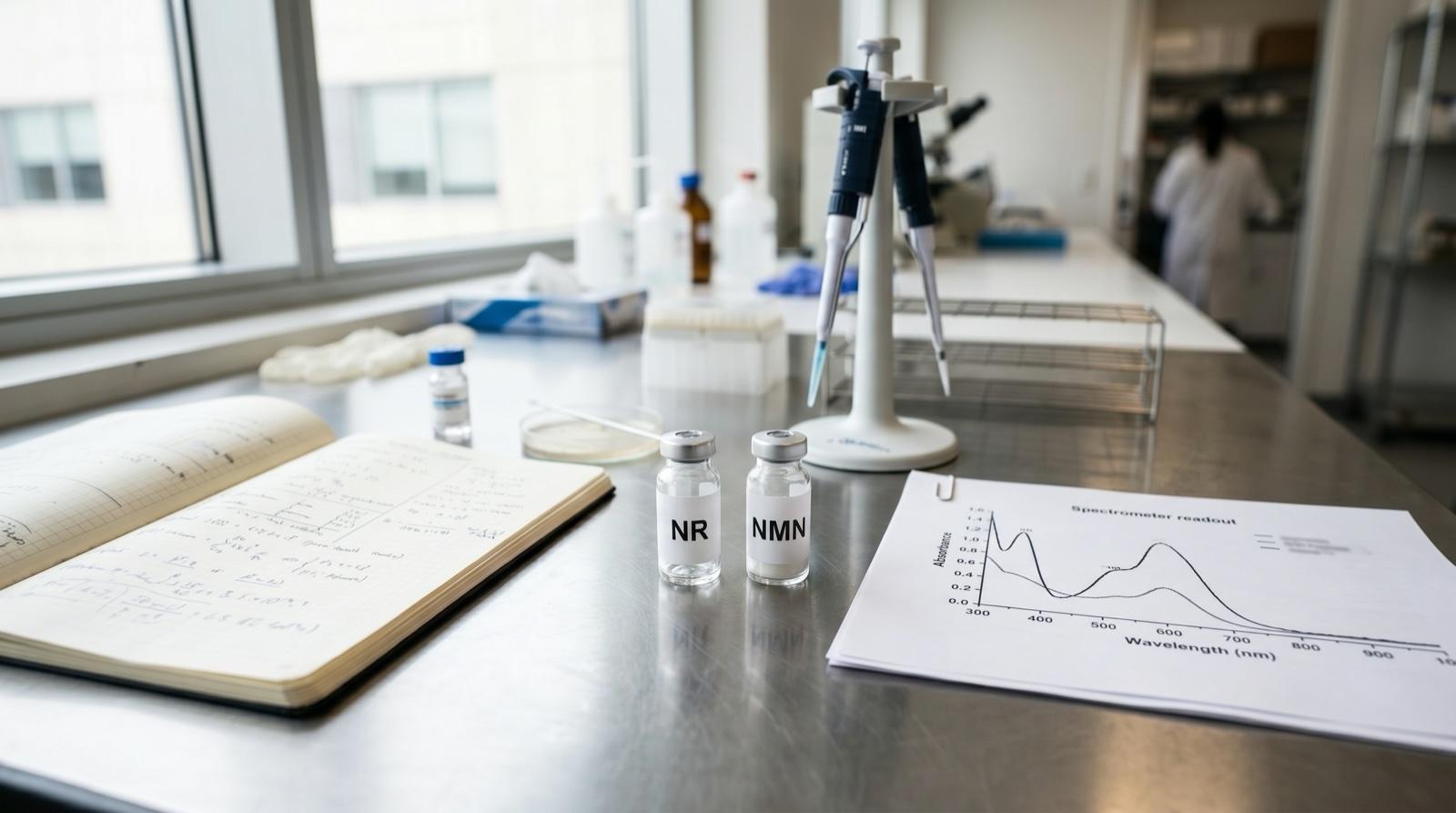
NR vs NMN: What Head-to-Head Research Actually Shows
A neutral comparison of NR and NMN — salvage-pathway entry, bioavailability, the Slc12a8 debate, human trials, and side effects. No head-to-head RCT exists yet.
Long-Term NAD+ Precursor Safety: What We Know and Don't
The longest published NR and NMN human trials run 8-12 weeks with no serious adverse events at studied doses. Decade-scale safety data does not yet exist.
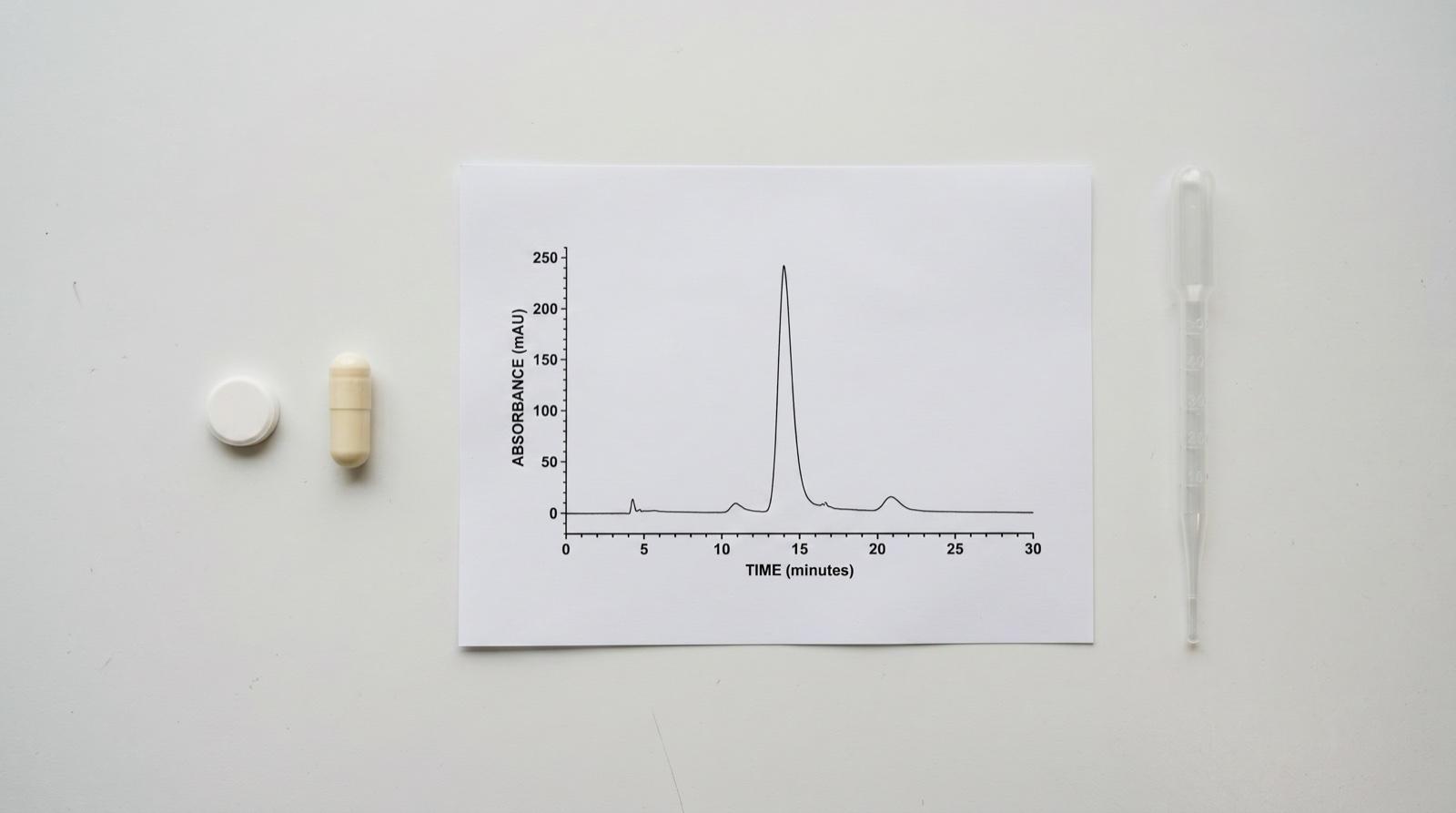
Sublingual vs Oral NMN: What the Pharmacokinetic Data Shows
Sublingual vs oral NMN bioavailability: published human PK data is sparse, and '5-10x absorption' marketing claims lack head-to-head human trials.